Tiff – an often noisy or angry expression of differing opinions
TIF – a public financing method that is used as a subsidy for redevelopment, infrastructure, and other community improvement projects (often causing a tiff… my words)
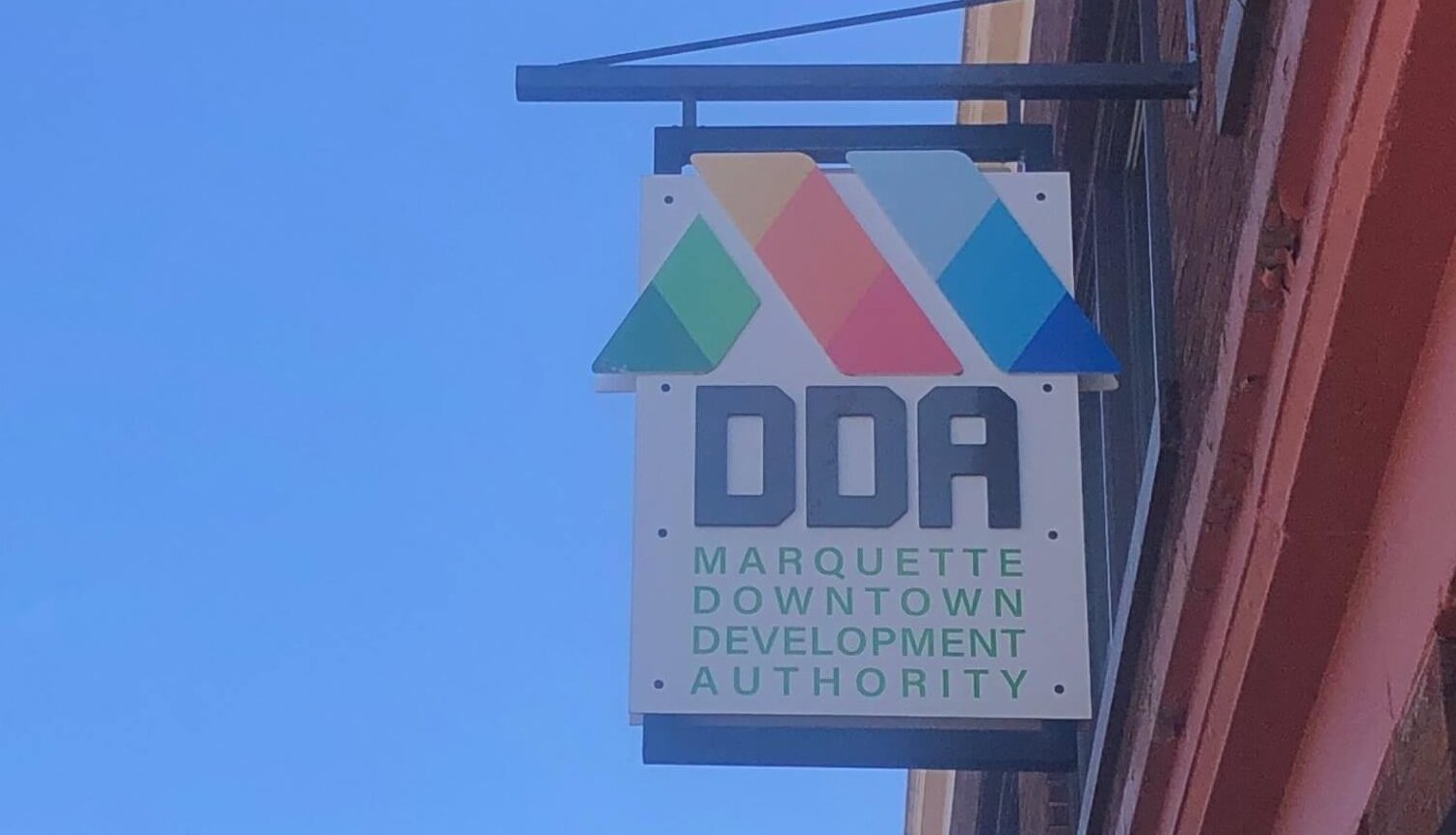
The TIF. Along with brownfield designations, it’s one of the most misunderstood financing tools used by cities, including Marquette. In simple terms, it takes the increase in taxes collected in the designated TIF district, over a predetermined period of time, and assigns those funds to a specific project or entity. In Marquette’s case, we have a TIF currently in place which contributes to the financing of the Downtown Development Authority.
Critics argue with the idea of taking tax dollars and turning them over to a targeted effort which often benefits some, but not all. Those in support of TIFs are typically those who acknowledge the direct benefits, but also believe those benefits will indirectly be good for the whole.
If you’ve been around here long enough, you may remember what downtown Marquette looked like prior to the establishment of the Downtown Development Authority. It looked like a lot of other downtowns suffering from the flight of businesses and customers to the outskirts of town and those fancy new malls.
Fast-forward to today and our downtown, including the North Third Street corridor, is as vibrant as it is attractive. That didn’t just happen. It took TIF financing and forward-looking leadership from the DDA. And though it seems it might be time to step back and let the district bask in its current popularity, that’s not the plan.
Vibrant or Vacant
Deputy City Manager Sean Hobbins explains the value of the TIF financed DDA… “Having a supported, thriving downtown is a key component of economic development for any City, and an organization like the DDA lets us prosper as an entire municipality. It’s easy to look around the UP, and really the rest of the Midwest, and see towns with vacant downtowns and very little investment, many of which are trying to kickstart development and get new investments through the adoption and expansion of similar downtown authorities.”
DDA Executive Director Tara Laase-McKinney addressed the city commission at their Monday meeting and gave our elected leaders a taste of what her organization has in mind for future projects. In addition to regular maintenance and upkeep, the DDA is looking at three specific areas for significant upgrades… the Commons, North Third Street, and Baraga Avenue. Even though plans are tentative at this time, it’s kind of exciting to imagine what these areas could become in the near future.
The Commons
The Commons, now the site of the very busy Saturday Farmers’ Market, has become a focal point for community gatherings of all types. Though future development will be restricted by its limited space, McKinney said both the building and the land surrounding it will be re-evaluated and upgraded for future use.
“We’re looking at a space that is maybe functioning right now at 40% when we could make it function at 100%,” McKinney said. “And we can make that work year round.”
According to Mayor Jessica Hanley, “The Commons is a well-used space that has outpaced its capacity and uses, and I think upgrading this will add a lot of value to downtown.” Public investment, combined with what the private sector contributes, should mean more value derived from both.
North Third
North Third Street, recently added to the TIF district, is also due for an upgrade. The last street renovation was more than 30 years ago, and though it represented a definite improvement at the time, the street is now busier than ever, with no end in sight.
According to McKinney, “Right now we’re looking at a couple of band-aid kind of fixes in the short term so we can actually get to a full street redesign.”
Commissioner Paul Schloegel weighs in with thoughts on North Third… “I’m looking forward to a few changes being incorporated to the Third Street corridor that will hopefully allow our residents safe walking access, safe vehicle traffic, and safe recreational spaces.”
Whatever the plans are for North Third, they’re certainly going to be scrutinized by all those who regularly use the street. Should it be one-way? Is it worth what it would cost to bury the power lines? And exactly what would it take to make sure it’s safe for all users, as Schloegel suggests?
Baraga Avenue
And finally… Baraga Avenue. About 10 years ago a consulting firm presented ideas of what Baraga Avenue could become. The street’s location relative to the rest of downtown, as well as its extreme width, provide options for some creative reimagining.
New businesses, like the tony Explore Hotel, as well as fixed up older ones, have done their part to make Baraga Avenue more of a destination. It’ll be interesting to see what the DDA can do to improve on that and make the 100 block feel more welcoming and user-friendly. Is it wide enough to accommodate a boulevard, with a landscaped median? And would we even want something like that?
Parking
Like with every city where people travel in cars, parking is a challenge. As far as problems go, that’s a good one to have. If your community is flush with open parking spots, you’ve got bigger issues to worry about. Rest assured, the DDA is well aware of the concerns about parking.
Money
With all future DDA projects, money is the key. Revenue derived from the TIF agreement with the city is what might make any proposed changes possible.
Commissioner Sally Davis explains how DDA financing comes from a variety of sources… “TIF captures the increase in taxable value from the base year to the current year. Not only does it capture the City taxable value increase, but also from other taxing entities. In the case of the DDA this includes the County and the Iron Ore Heritage Trail. The value of TIF financing is in the ability to leverage funds from these other sources.”
TIF agreements will always bring out those who question the way city tax dollars are assigned. And, of course, anytime the word tax is involved, there will be scrutiny.
It’s said, the only sure things are death and taxes. But it’s never a sure thing regarding how those tax dollars are spent. If you believe a bustling downtown is a valuable asset to our community, you have to agree… the DDA has done a pretty good job, and by the sound of it, there’s more on the way. And probably the occasional tiff as well.